Why a Meditation Habit Beats Intensity Every Time
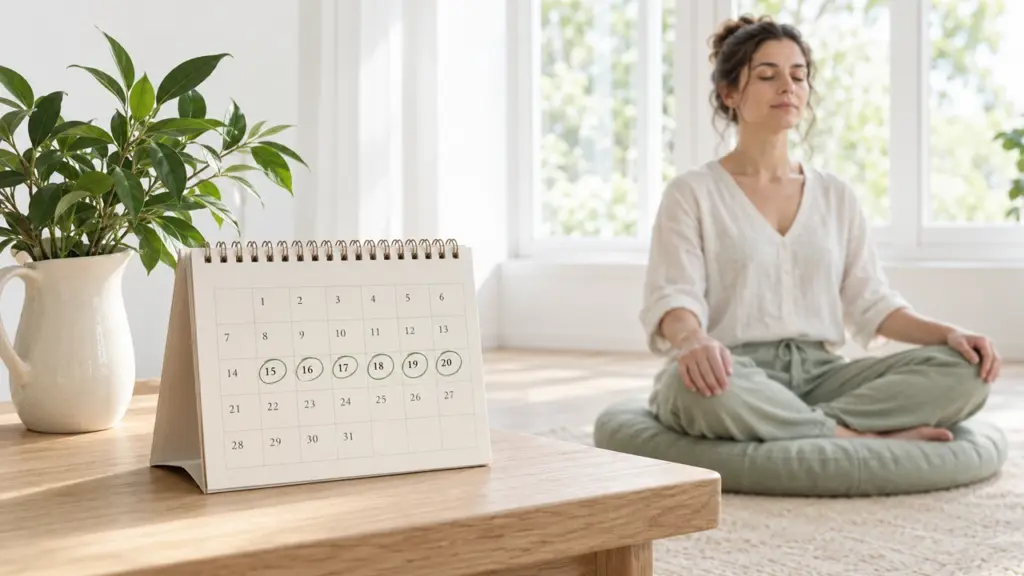
Anyone who uses a feedback-based meditation tool eventually faces the temptation to chase scores. Bigger alpha drops, longer sustained focus, cleaner sessions. It is satisfying and it is a trap. The real debate in any meditation practice is consistency versus intensity, and the consistent side wins almost every time. Building a daily meditation habit produces more change than occasional peak sessions, by a wide margin.
Why the Brain Learns Through Repetition
The brain changes through repeated exposure to a stimulus, not through occasional peak performance. Each time you sit and engage the catch-and-return loop, you reinforce the neural circuits responsible for attention and self-regulation. Two sessions a week even great ones does not produce the same kind of consolidation as six modest sessions. The between-session gaps matter as much as the sessions themselves: long gaps let the new patterns decay before they are reinforced.
This is the same principle behind any motor or cognitive skill. Daily ten-minute violin practice produces faster improvement than weekly ninety-minute sessions. A meditation habit is not different in kind.
Low-Score Sessions Still Train the System
A session that produces lots of feedback many drifts, frequent catches, average alpha higher than usual is not a failed session. It is a high-rep session. Every catch is a rep for the executive control circuit. From a training perspective, a busy session may actually be more productive than a quiet one, because more reps are happening. The experience can feel discouraging, but the underlying neural training is robust.
How to Build a Meditation Habit That Lasts
Five practical pieces. First, pick the time and stick to it anchor the session to an existing daily event so you do not have to remember it as a separate decision. Second, pick the place a specific corner, chair, or cushion that becomes the meditation spot. Third, set up the same way every time same posture, same lighting, same first three breaths. Fourth, set up the equipment in advance the headband within reach, the app already open. Fifth, end the session the same way a brief pause before standing, a single deep breath, then the rest of the day. These five pieces, repeated daily, build the meditation habit into the nervous system.
Why Chasing Intensity Often Backfires
Three failure modes are common when intensity becomes the goal. First, performance anxiety: you start treating sessions as tests, which raises arousal and makes focus harder. Second, skipping bad days: a single hard session damages a streak in your mind and creates an excuse to skip. Third, optimising for the wrong variable: people start trying to game the feedback rather than train the underlying skill. All three undercut the long-term training that consistency would otherwise produce.
How Attune Should Be Used
Attune is not a game to be won. Attune session analytics are most useful when you look at week-over-week averages, not at individual best sessions. If your average catch speed is improving, the practice is working regardless of whether any specific session looked clean.
When a Longer Session Is Worth It
There are moments when a longer or more intense session is genuinely useful retreats, weekend deep practices, periods of low life-demand when more time is available. These are supplements to a consistent meditation habit, not substitutes for it. A long session on top of daily practice can produce real consolidation. A long session as a replacement for missed daily practice usually does not.
How to Recover After a Break
Travel, illness, busy weeks they all interrupt the daily slot. The recovery move is simple: resume at the original time and place on the next available day, with no make-up sessions and no internal speech about how the streak is broken. Streaks are useful when intact and irrelevant the moment they are not. What keeps a meditation habit alive across years is the willingness to start again, at the original time, the next day.
The Takeaway
Show up. Practise regularly. Stop chasing perfect sessions. The right meditation habit is the one you can keep, not the one that looks impressive on paper.
What the First Month Tends to Look Like
When meditation habit becomes a daily practice, the arc tends to follow a predictable pattern. Week one is almost always busier than expected. The mind is loud, the body is unfamiliar with stillness, and progress feels invisible. Most people interpret this as failure. It is not. It is the brain meeting the practice for the first time, which is meant to feel busy and a little uncomfortable.
Week two often brings a small frustration plateau. The novelty has worn off, the obvious early gains have already happened, and the practice starts to feel like work. This is the most common drop-out window. Push through. The underlying neural systems are consolidating, even when the felt experience says otherwise.
Week three is usually where things begin to repay themselves. The catches happen faster. The internal narration that used to fill every session quiets a little. By the end of the month, most practitioners describe the practice as easier in a way that is hard to explain the same session that felt effortful in week one now feels almost ordinary.
If you keep going past the first month, the gains continue but they look different. Less about visible session quality, more about carry-over into daily life small moments of pause before reacting, slightly cleaner attention during work, a marginally calmer presence in difficult conversations. The skill built on the cushion shows up off the cushion, which is the point.
With Attune you can stop guessing and start measuring. Try Attune today or read more on the Attune FAQ.
Frequently Asked Questions
Is it better to meditate every day or do longer sessions less often?
Every day, almost always. Daily ten-minute sessions produce more measurable change in attention and self-regulation than longer sessions done less frequently. The mechanism is spaced repetition, which is fundamental to how the brain consolidates new skills.
What if I miss a day?
Resume the next day. Single missed days have minimal impact on long-term gains. What damages consistency is treating one missed day as evidence the project has failed and skipping the next two.
How long until a meditation habit feels automatic?
Most people find the habit feels automatic in four to six weeks of daily repetition. The first three weeks are the hardest because the brain has not yet built the prediction circuitry that makes the habit self-cuing.